Our return mission to Mua Mission Hospital in March 2026 was special in many ways. The team from Interplast Germany e.V. was able to provide two weeks of medical care that made an immediate difference for many people.
Despite challenging conditions—marked by rain, limited infrastructure, and sometimes improvised equipment—the team managed to examine over 100 patients and perform approximately 60 surgical procedures. The focus was on reconstructive surgery, particularly the treatment of burn contractures, skin grafts, and hernia and soft tissue surgeries.
Every single procedure represents a tangible improvement in quality of life—often for people who would otherwise have no access to surgical care.
Medical mission under special conditions
The situation on the ground once again highlighted how heavily medical care depends on a functioning infrastructure. Technical failures—from autoclaves to diagnostic equipment—required a high degree of improvisation, dedication, and teamwork.
At the same time, the mission was characterized by close collaboration with the local hospital staff. Knowledge transfer and shared learning were central components—both in the operating room and during postoperative care.
Expansion of the mission: First aid courses in the villages
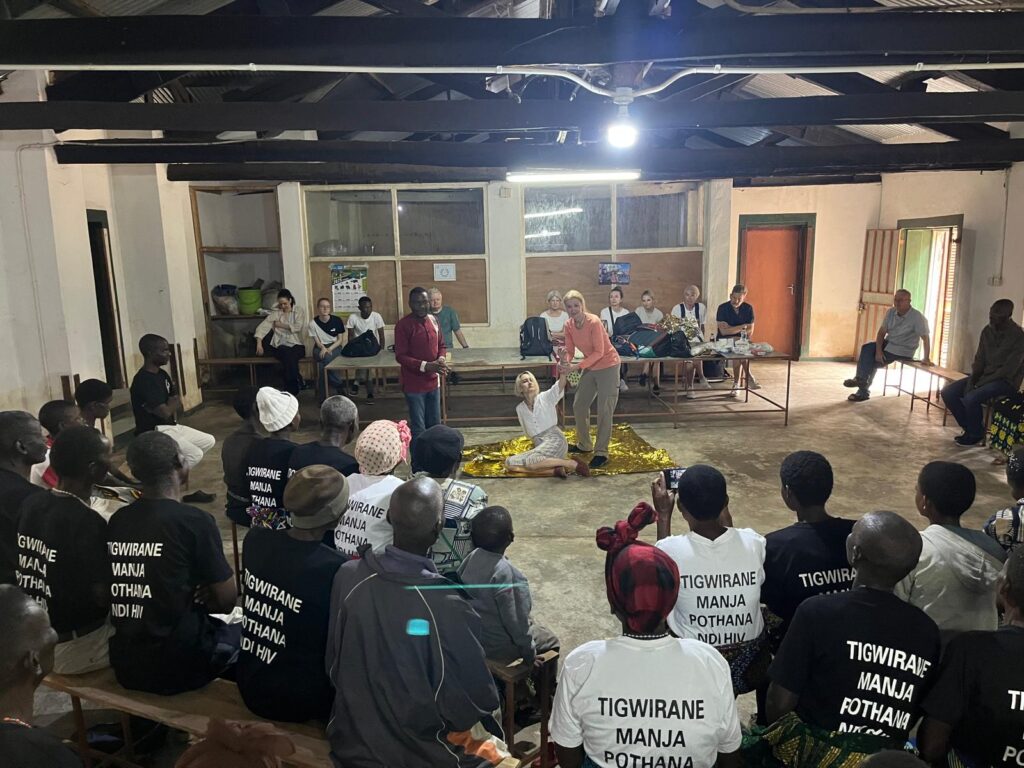
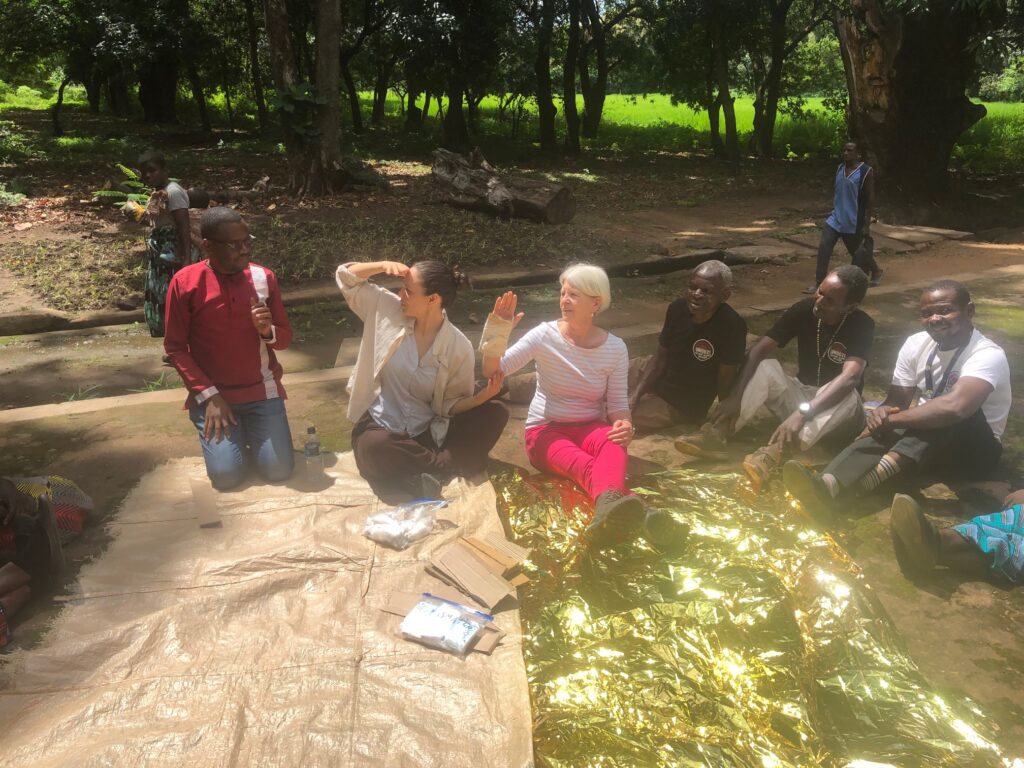
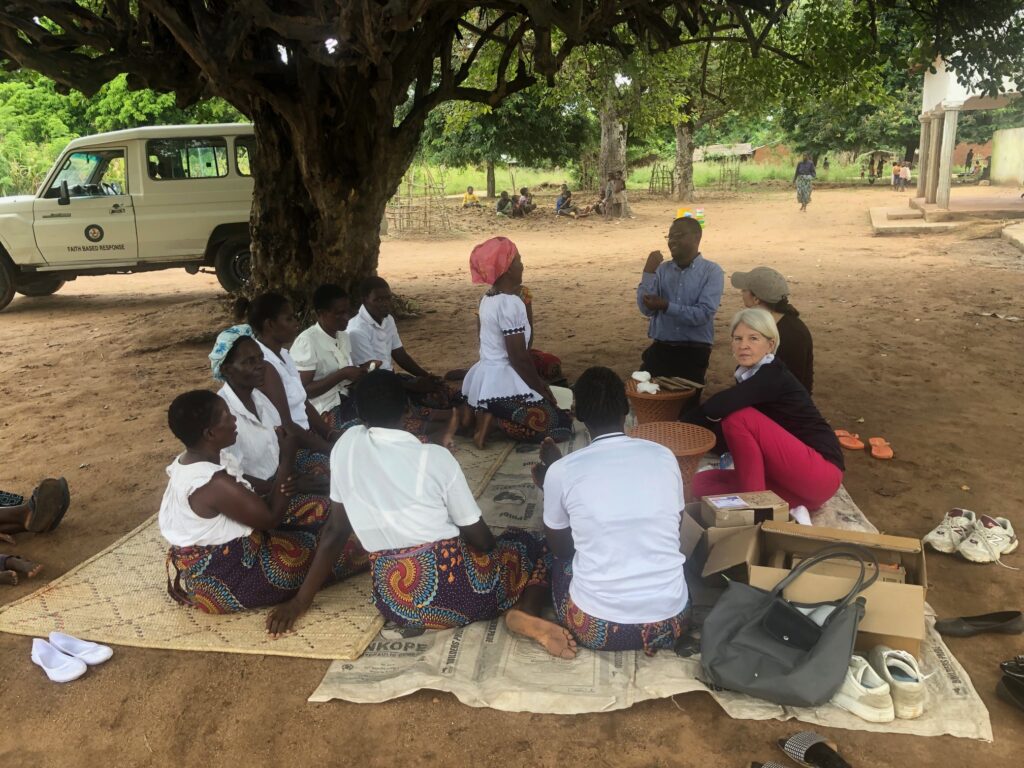
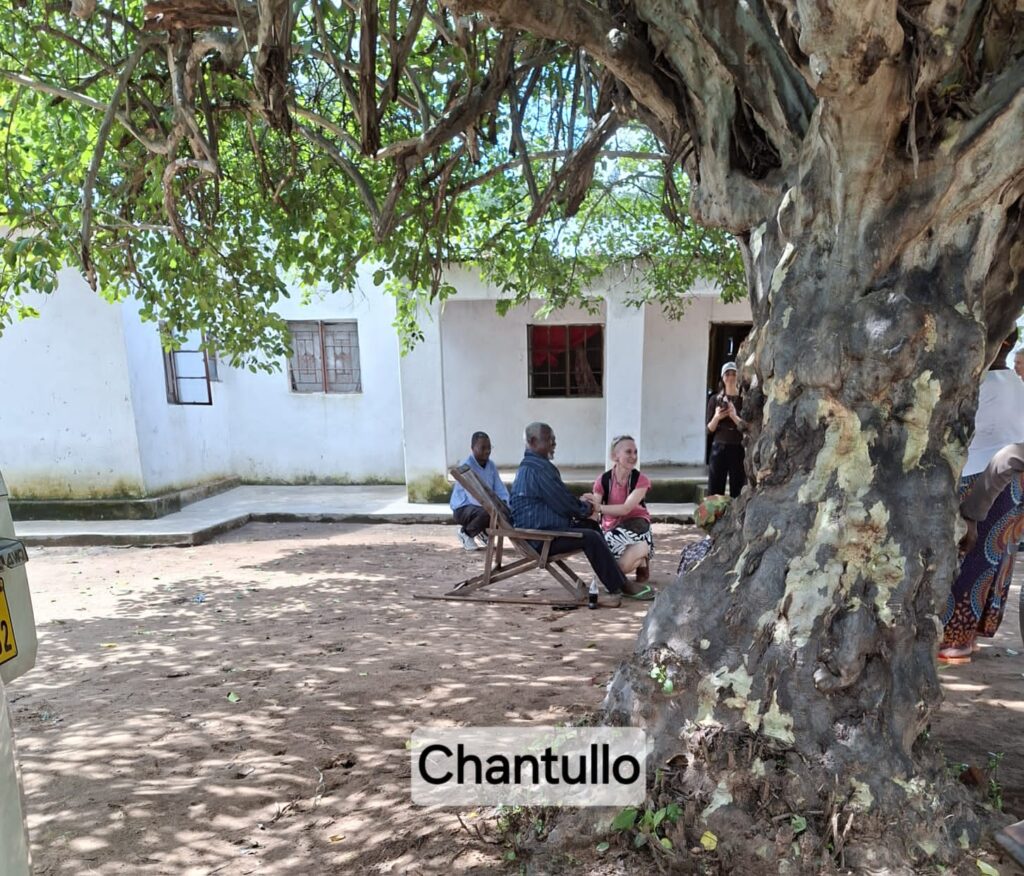
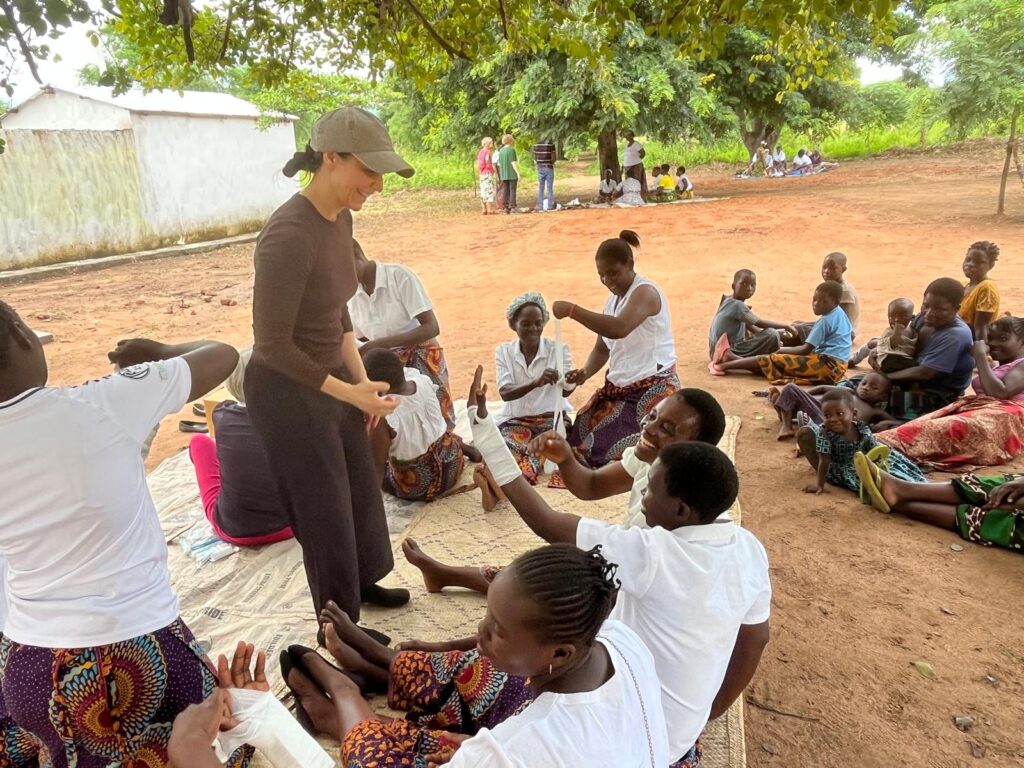
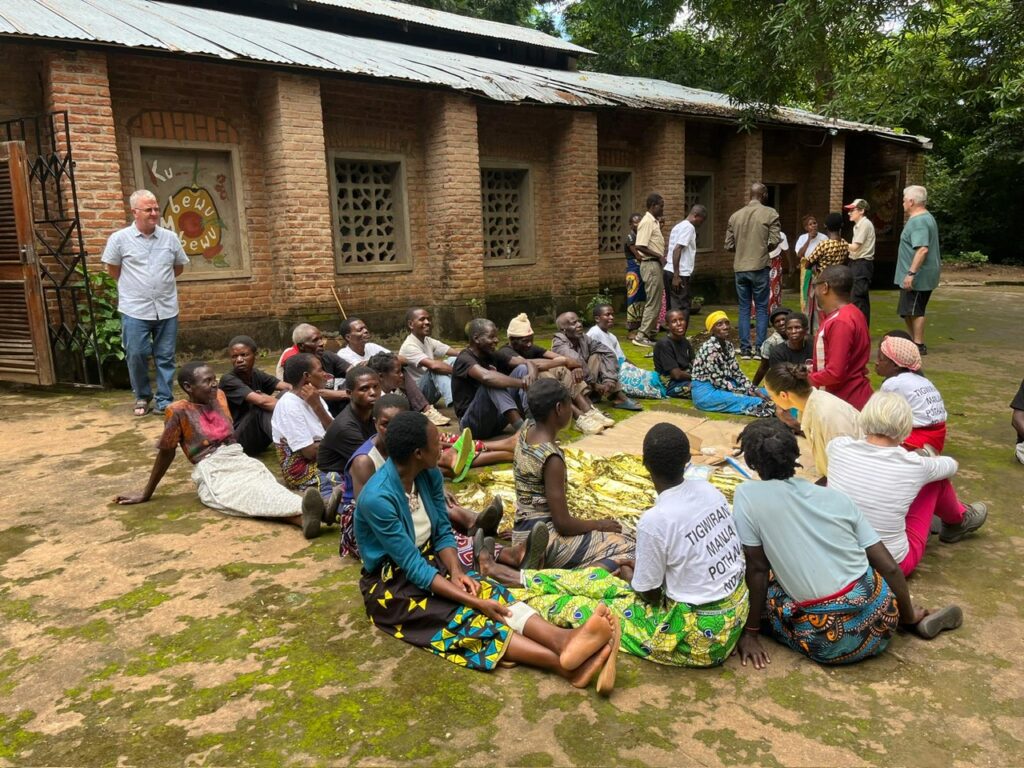
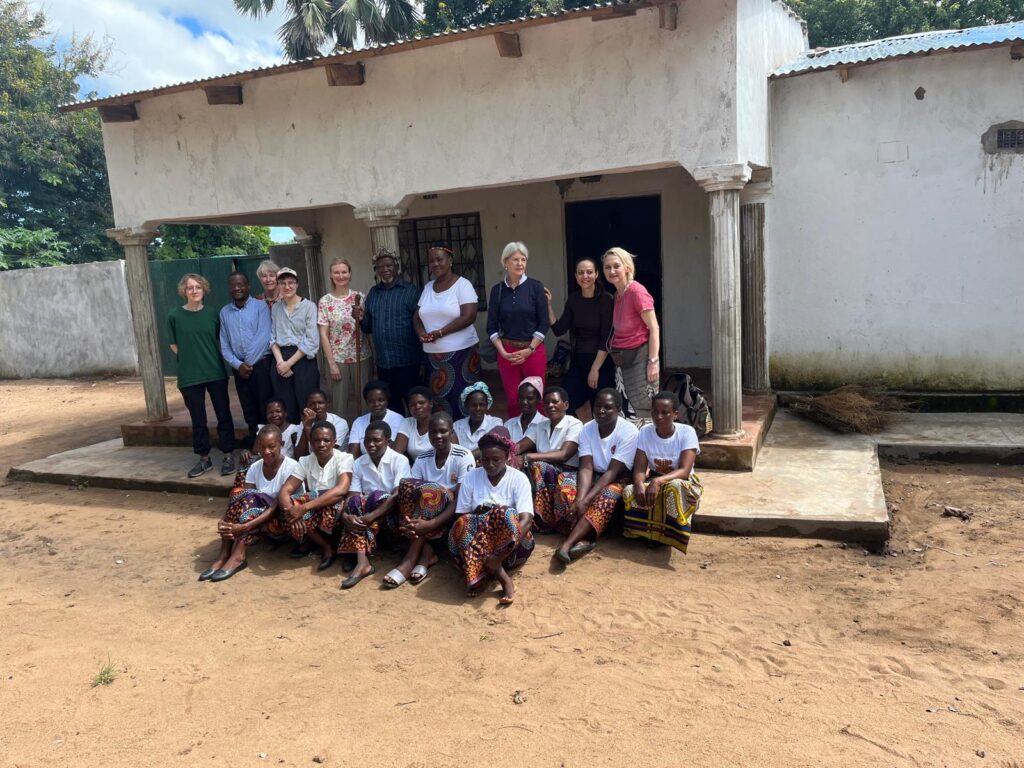
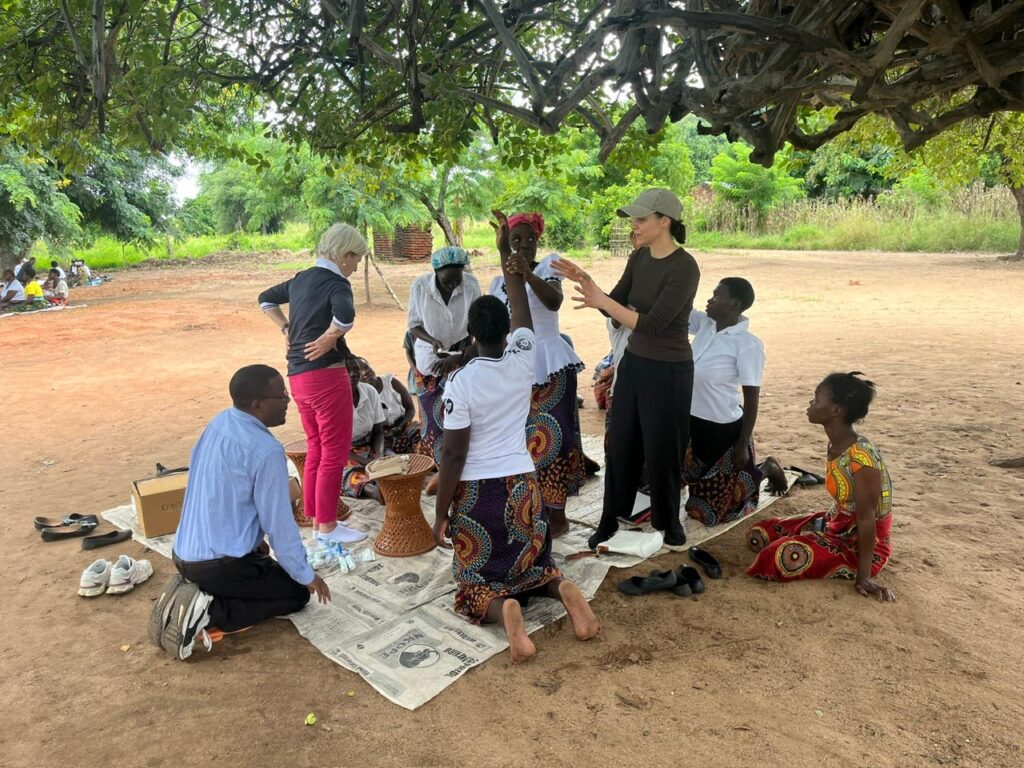
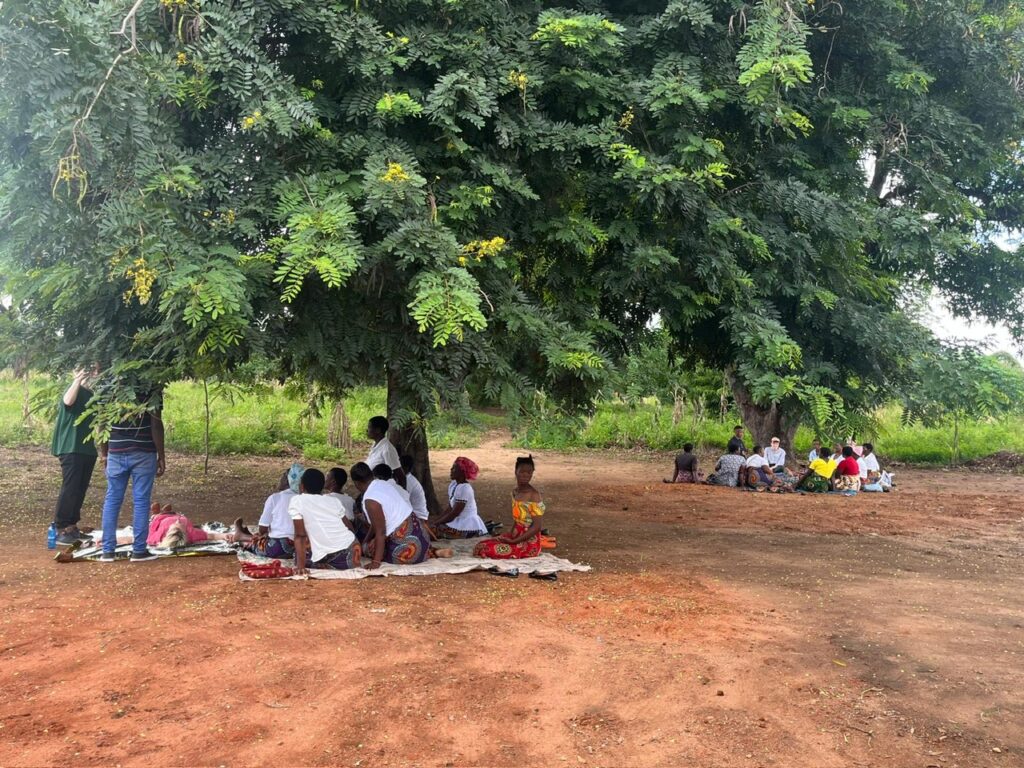
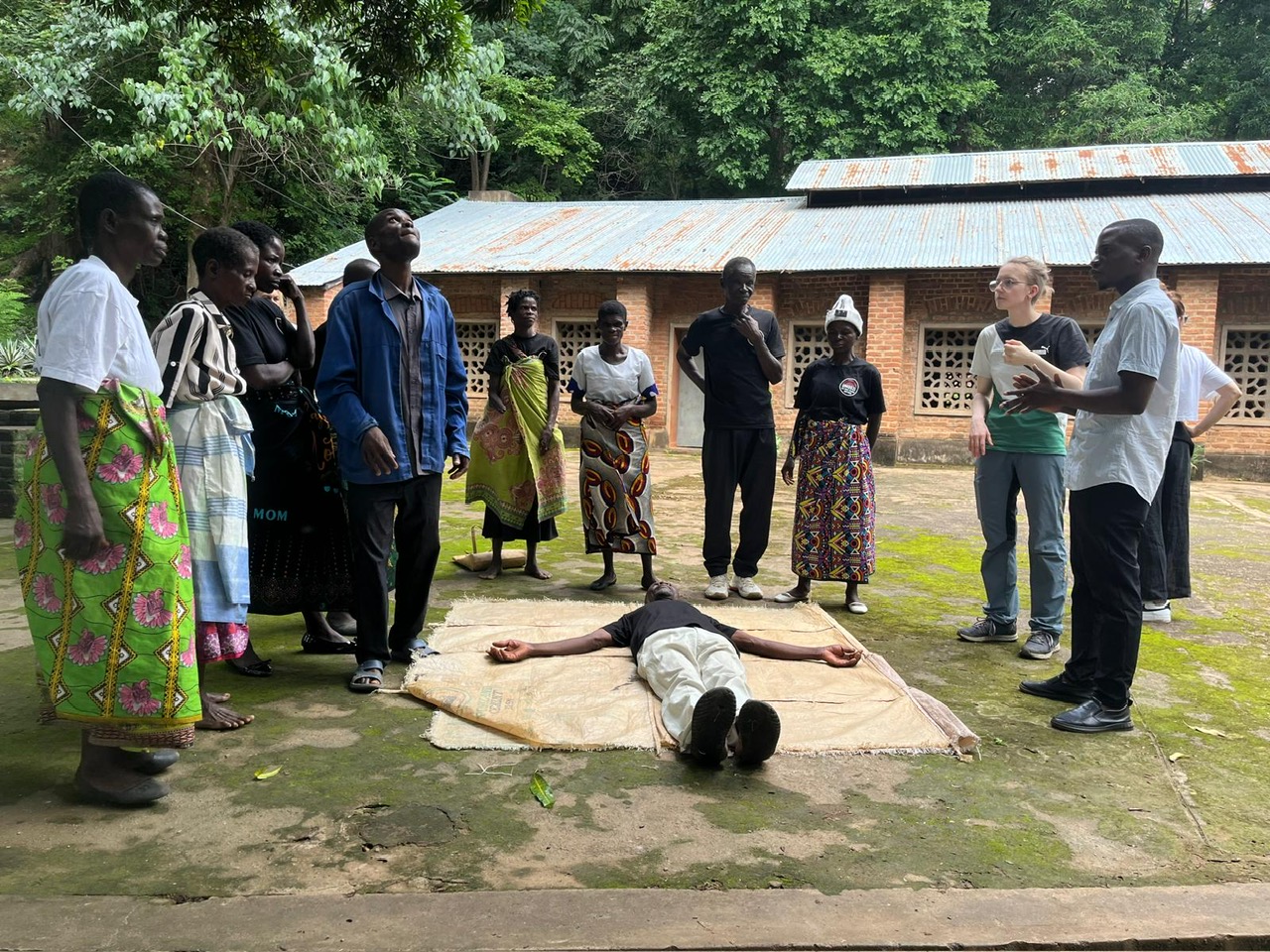
A particular focus of this mission was conducting first aid courses in the surrounding communities—in Chantulo, Mganja, and Mua.
This initiative was developed in close collaboration with Father Brendan O’Shea and local organizations on the ground.
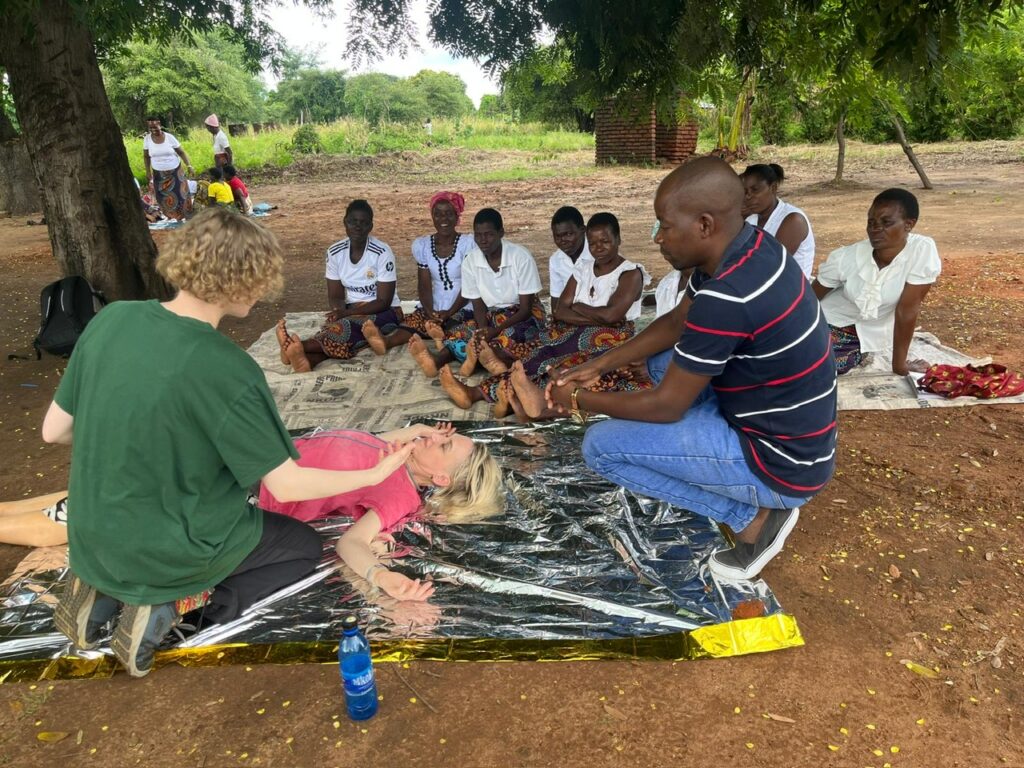
The training concept developed by Dr. Gie Vandehult is specifically tailored to the needs of rural regions without basic medical care. The training covered basic, life-saving measures:
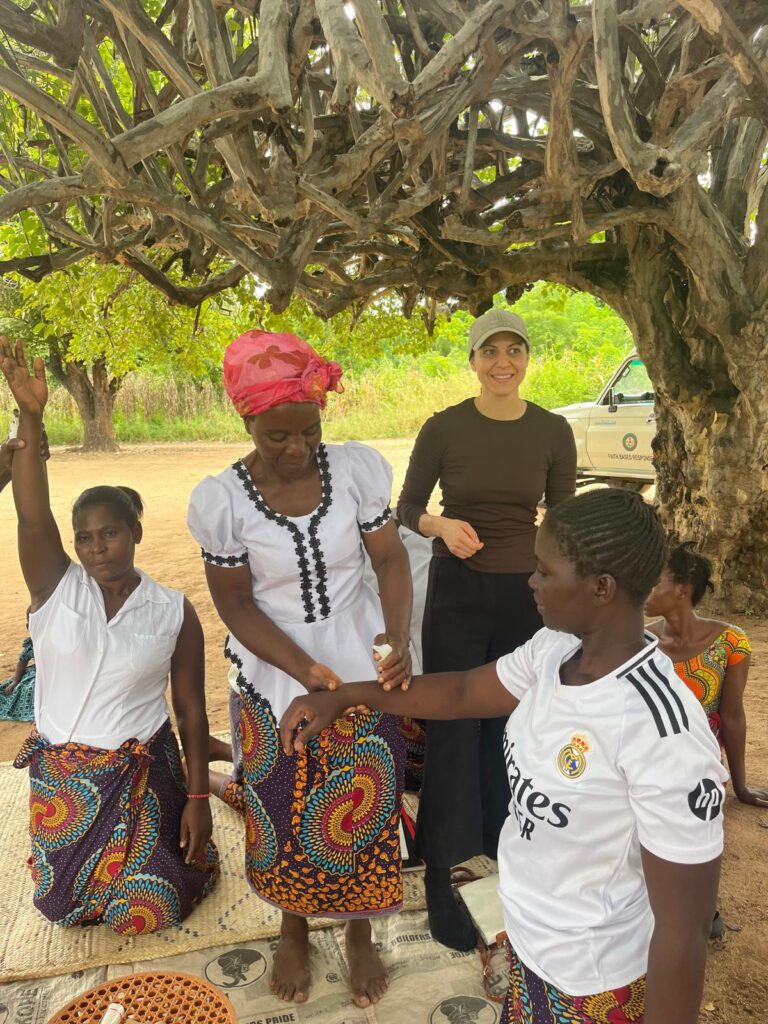
- Treatment of wounds and severe bleeding
- Stabilization and splinting of fractures
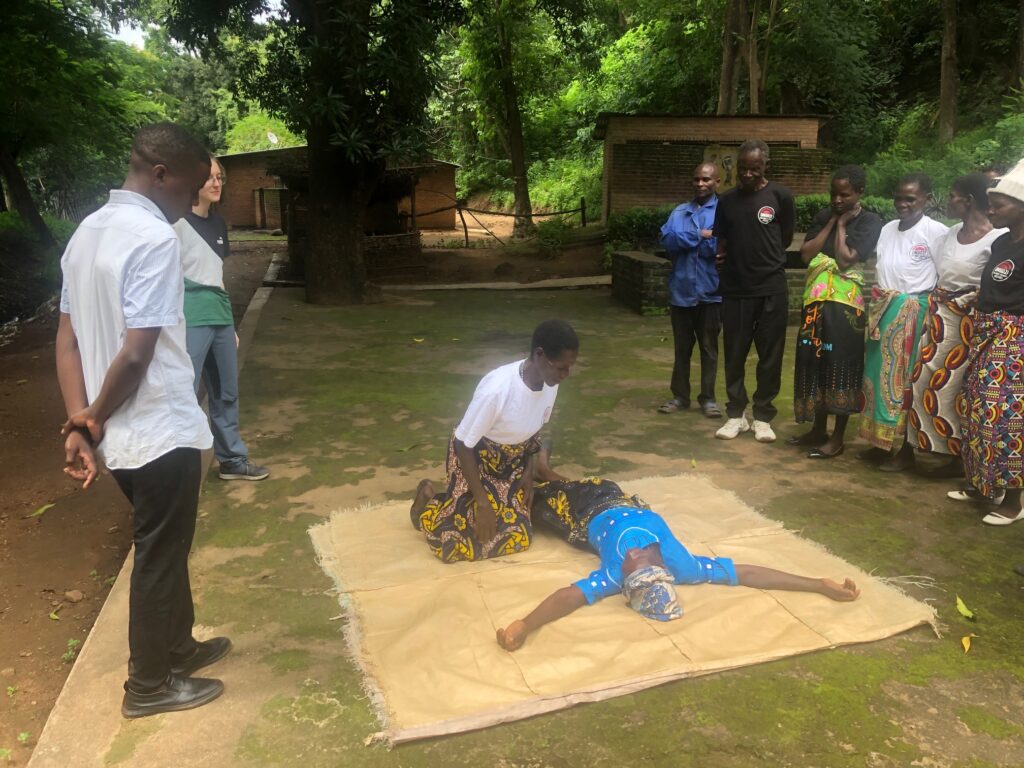
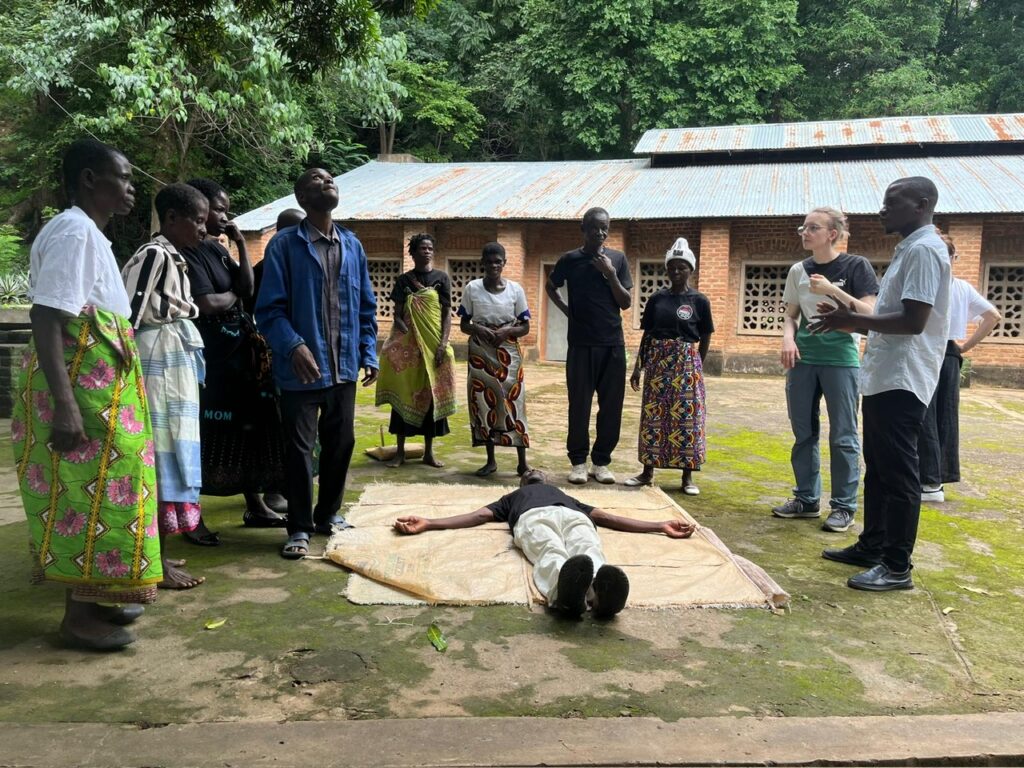
- Handling unconscious patients
- Safe transport of injured persons
- Common accident scenarios such as “Mango Disease” (falls from trees)
- Learning by doing
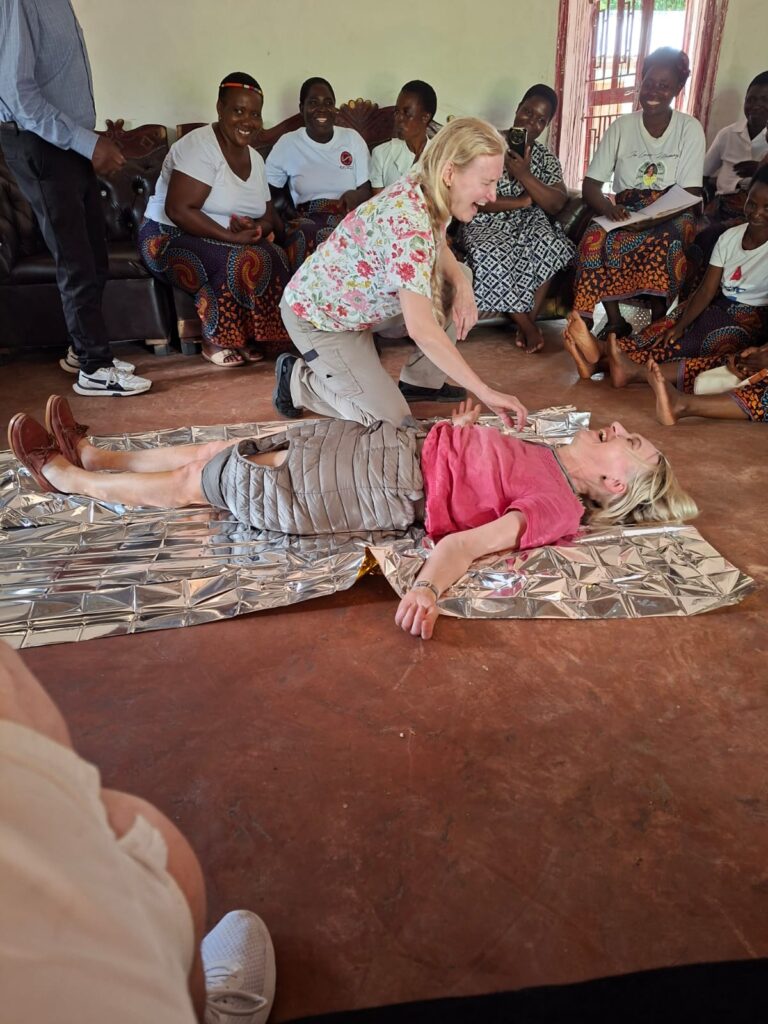
Since traditional teaching methods are often impractical in the field, a deliberately low-threshold approach was chosen: role-playing.
Emergency situations were depicted and worked through collaboratively in vivid scenarios—ranging from falls from mango trees to motorcycle accidents. Participants were actively involved, reenacted the scenarios themselves, and thus developed a practical understanding of the measures they had learned.
A Strong Response and Deeply Moving Encounters
In total, over 150 people took part in the courses:
- In Chantulo: approximately 25 women in a very personal, intensive setting
- In Mganja: around 90 participants
- In Mua: about 60 members of a self-help group
- The participants’ openness, willingness to learn, and commitment were impressive.
At the same time, these encounters were accompanied by a deep emotional dimension: Many women brought their children with them—children with severe physical disabilities, particularly spastic paralysis. Often, the mothers carry their children long distances every day.
Time and again, the hope was expressed of receiving medical help or at least support in daily life. The desire for simple children’s wheelchairs came up particularly often.
This direct confrontation with the realities of life on the ground highlights the importance of sustainable aid. Initial discussions on implementing appropriate care services—involving an orthopedist from Lilongwe—have already been initiated.
Sustainability Through Knowledge
The first-aid courses have clearly demonstrated that help doesn’t begin in the operating room.
Teaching basic medical knowledge can save lives, prevent complications, and improve the long-term health situation in remote regions.
The continuation and expansion of these training programs are therefore an integral part of future missions.
THANK YOU INTERPLAST e.V. GERMANY!!!!!